Original: $16.00
-65%$16.00
$5.60The Story
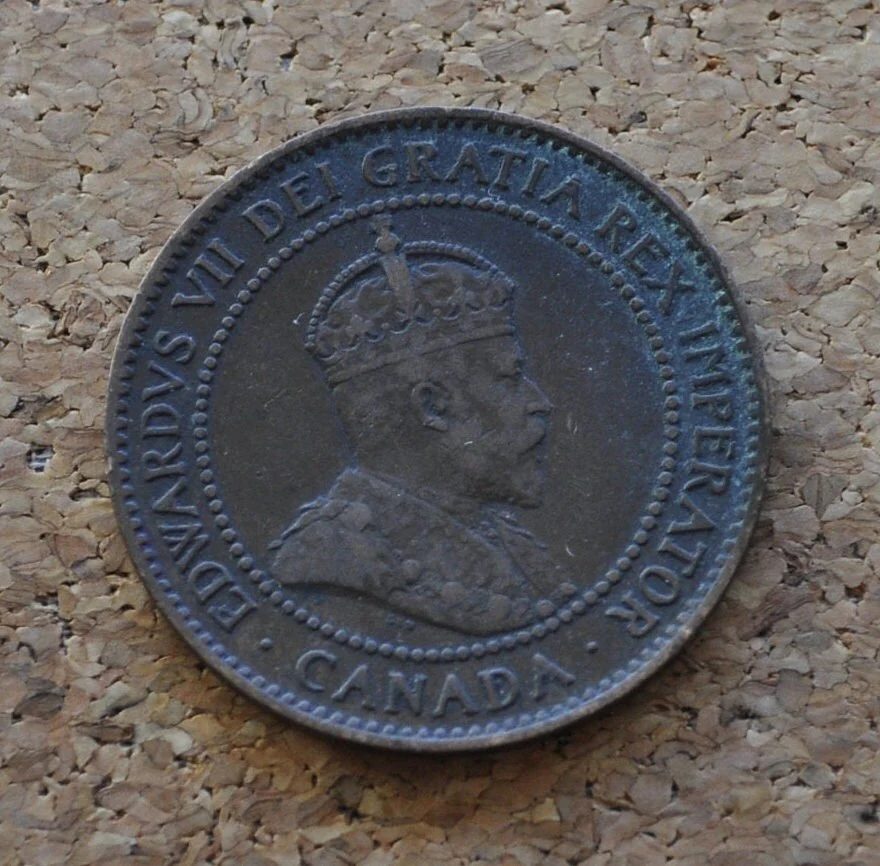
This listing is for one 1850 Bank of Upper Canada Half Penny Bank Token, as pictured. The first year produced, and minted at the Royal Mint in London.
The Fascinating History of the Bank of Upper Canada:
In 1850, the Bank of Upper Canada received the right to issue a coinage due to a severe coin shortage. The coinage consisted of 1/2 Penny and 1 Penny Bank Tokens. The obverse of the coins carried a representation of St. George slaying the dragon based on Benedetto Pistrucci's gold sovereign coinage design. The reverse of the coins carried the then obsolete Coat-of-Arms of Upper Canada. The 1850 issue was struck at the Royal Mint, London, but the coins did not arrive in Canada until 1851. Some of the 1d. pieces bear a dot between the tips of the cornucopias, but the significance of this is unknown. The letters "R.K. & Co." is not a mintmark. It is the mark of Rowe, Kentish and Company of London, the agents the Bank of Upper Canada used to place their coin orders.
The Bank of Upper Canada was established in 1821 under a charter granted by the legislature of Upper Canada in 1819 to a group of Kingston merchants. The charter was appropriated by the more influential Executive Councillors to the Lt. Governor, the Rev. John Strachan and William Allan, and moved to Toronto. The bank was closely associated with the group that came to be known as the Family Compact, and it formed a large part of their wealth. The association with the Family Compact and its underhanded practices made Reformers, including Mackenzie, regard the Bank of Upper Canada as a prop of the government. Complaints about the bank were a staple of Reform agitation in the 1830s because of its monopoly and aggressive legal actions against debtors.
The monopoly of the Bank of Upper Canada had been slowly eroding with the chartering of the Commercial Bank, and then the joint-stock banks. The Act to outlaw further joint-stock banks in 1838 again tilted towards monopoly. However, in 1841 the Bank of Montreal, long seeking an entry into Upper Canada, purchased the Bank of the People and quickly began to expand its branch network. The Bank of British North America also entered the provincial market around that time.
As a result, the Bank changed its strategy and in 1850 it became the official bank of the Province of Canada, collecting all government revenue and issuing all government cheques. By 1863, the bank was struggling; in 1866 the Bank of Upper Canada closed its doors; the stockholders lost all of their investment of more than $3 million, and over $1 million dollars in taxpayers money was also lost.
Thanks for stopping by!

Details & Craftsmanship
Every detail has been carefully considered to bring you the perfect product.
Description
This listing is for one 1850 Bank of Upper Canada Half Penny Bank Token, as pictured. The first year produced, and minted at the Royal Mint in London.
The Fascinating History of the Bank of Upper Canada:
In 1850, the Bank of Upper Canada received the right to issue a coinage due to a severe coin shortage. The coinage consisted of 1/2 Penny and 1 Penny Bank Tokens. The obverse of the coins carried a representation of St. George slaying the dragon based on Benedetto Pistrucci's gold sovereign coinage design. The reverse of the coins carried the then obsolete Coat-of-Arms of Upper Canada. The 1850 issue was struck at the Royal Mint, London, but the coins did not arrive in Canada until 1851. Some of the 1d. pieces bear a dot between the tips of the cornucopias, but the significance of this is unknown. The letters "R.K. & Co." is not a mintmark. It is the mark of Rowe, Kentish and Company of London, the agents the Bank of Upper Canada used to place their coin orders.
The Bank of Upper Canada was established in 1821 under a charter granted by the legislature of Upper Canada in 1819 to a group of Kingston merchants. The charter was appropriated by the more influential Executive Councillors to the Lt. Governor, the Rev. John Strachan and William Allan, and moved to Toronto. The bank was closely associated with the group that came to be known as the Family Compact, and it formed a large part of their wealth. The association with the Family Compact and its underhanded practices made Reformers, including Mackenzie, regard the Bank of Upper Canada as a prop of the government. Complaints about the bank were a staple of Reform agitation in the 1830s because of its monopoly and aggressive legal actions against debtors.
The monopoly of the Bank of Upper Canada had been slowly eroding with the chartering of the Commercial Bank, and then the joint-stock banks. The Act to outlaw further joint-stock banks in 1838 again tilted towards monopoly. However, in 1841 the Bank of Montreal, long seeking an entry into Upper Canada, purchased the Bank of the People and quickly began to expand its branch network. The Bank of British North America also entered the provincial market around that time.
As a result, the Bank changed its strategy and in 1850 it became the official bank of the Province of Canada, collecting all government revenue and issuing all government cheques. By 1863, the bank was struggling; in 1866 the Bank of Upper Canada closed its doors; the stockholders lost all of their investment of more than $3 million, and over $1 million dollars in taxpayers money was also lost.
Thanks for stopping by!